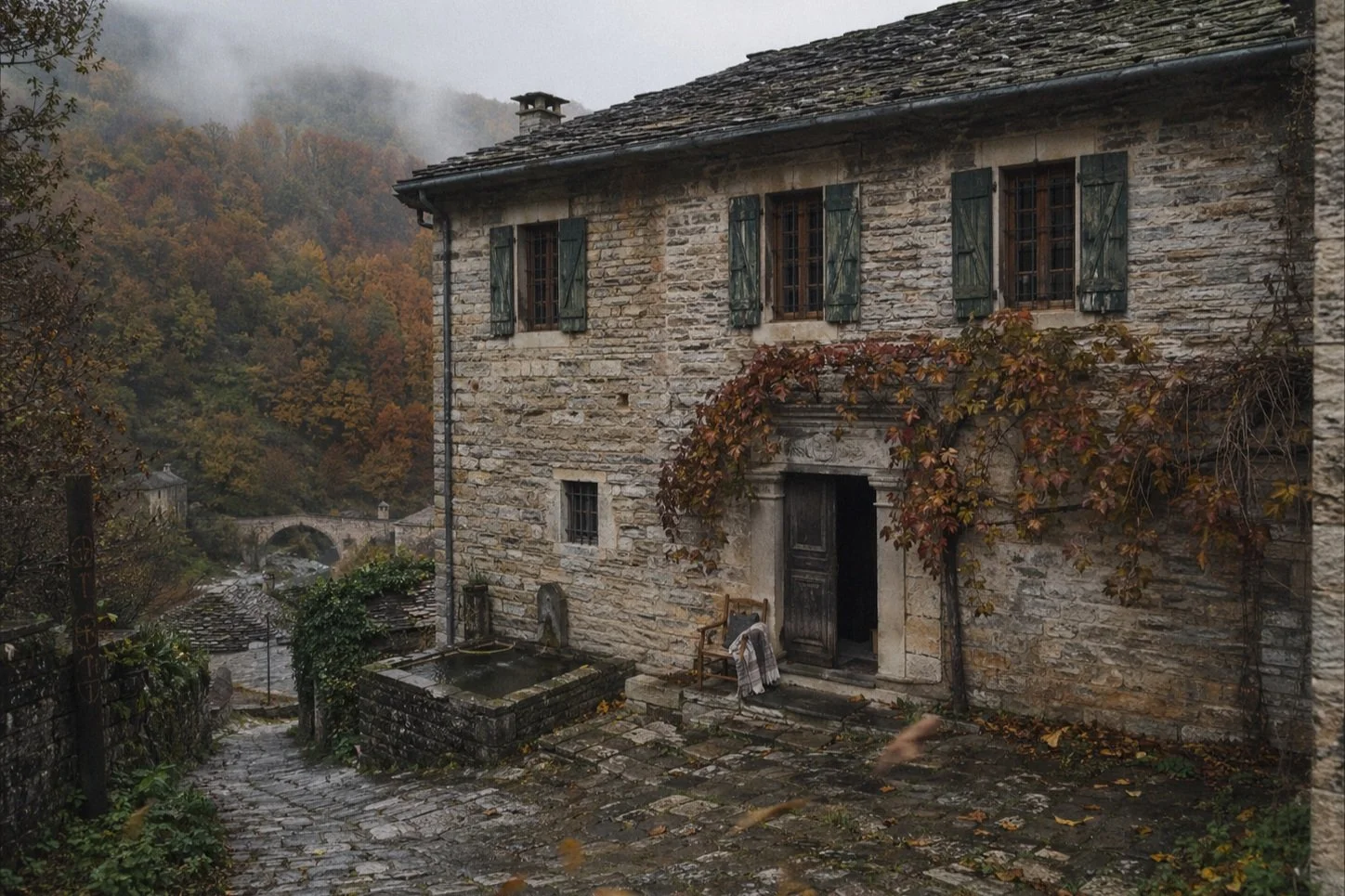
Zagorochoria, Epirus
The Property Market That Rewards Those Who Look Beyond the Obvious
UNESCO World Heritage — What It Means for Property Buyers
They are, almost without exception, people who have already experienced the obvious choices — the island villas, the coastal estates, the city residences — and who have arrived at a different kind of question: not “what is the most beautiful place I can afford?” but “what is the most extraordinary place that exists?”
The answer, for a growing number of the world’s most discerning buyers, is Zagori.
Nestled in the mountains of Epirus in northwestern Greece, the 46 stone villages of Zagorochoria — collectively inscribed on the UNESCO World Heritage List as a Cultural Landscape in 2023 — represent one of the most remarkable concentrations of traditional architecture, natural grandeur and authentic Greek culture anywhere in Europe. It is a destination that feels like a secret kept by the earth itself — and the properties within it are among the rarest on the market today.
The Architecture — Why It Cannot Be Replicated
In 2023, the Zagori Cultural Landscape received one of the highest distinctions available to any place on earth: inscription on the UNESCO World Heritage List as a Cultural Landscape of outstanding universal value.
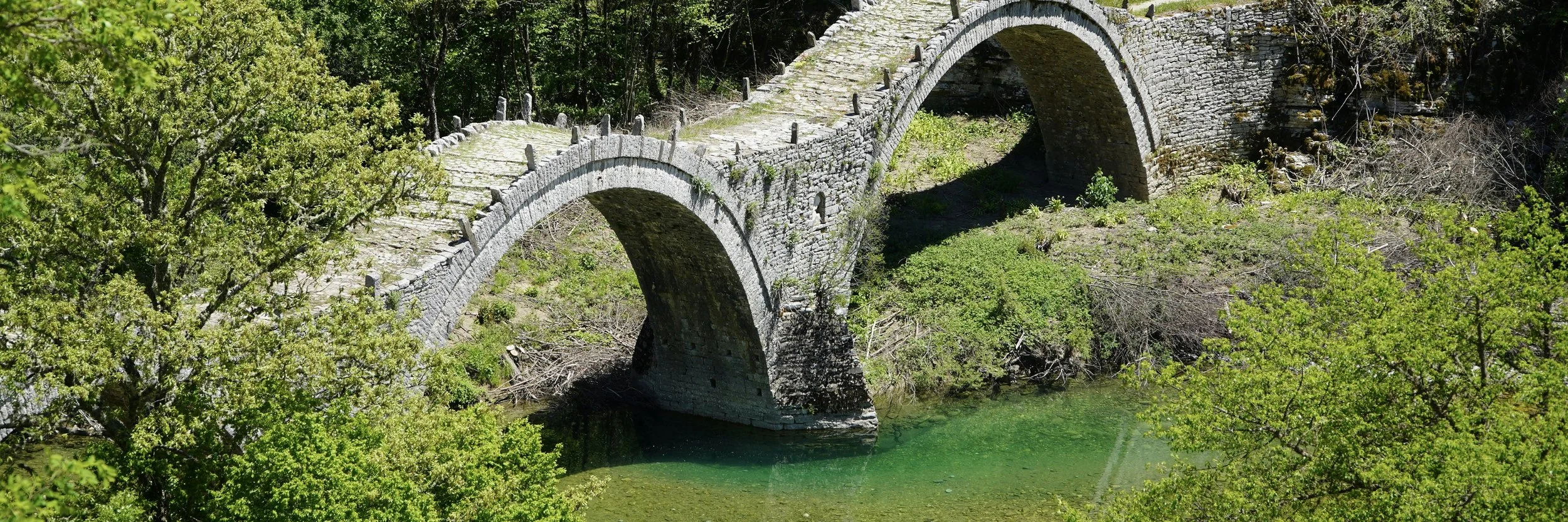
This recognition confirmed what those who know Zagori have always understood: that this is not merely a beautiful place, but an irreplaceable one. The property consists of traditional settlements that underwent a transformation influenced by expatriates who funded private and public infrastructure during the 18th and 19th centuries, creating an impressive network of stone-arched bridges, stone cobbled paths and stone staircases linking communities across the Voidomatis River basin.
For property buyers, UNESCO status has a direct and permanent implication: the character of this landscape is protected by the strictest institutional framework available. The stone architecture, the village layouts, the relationship between settlement and nature — none of this will change. The property you acquire in Zagori today will look and feel the same in fifty years. That kind of permanence is genuinely rare — and it is one of the most compelling arguments for Zagori as a long-term investment.
The buyers who discover Zagori rarely find it by accident.
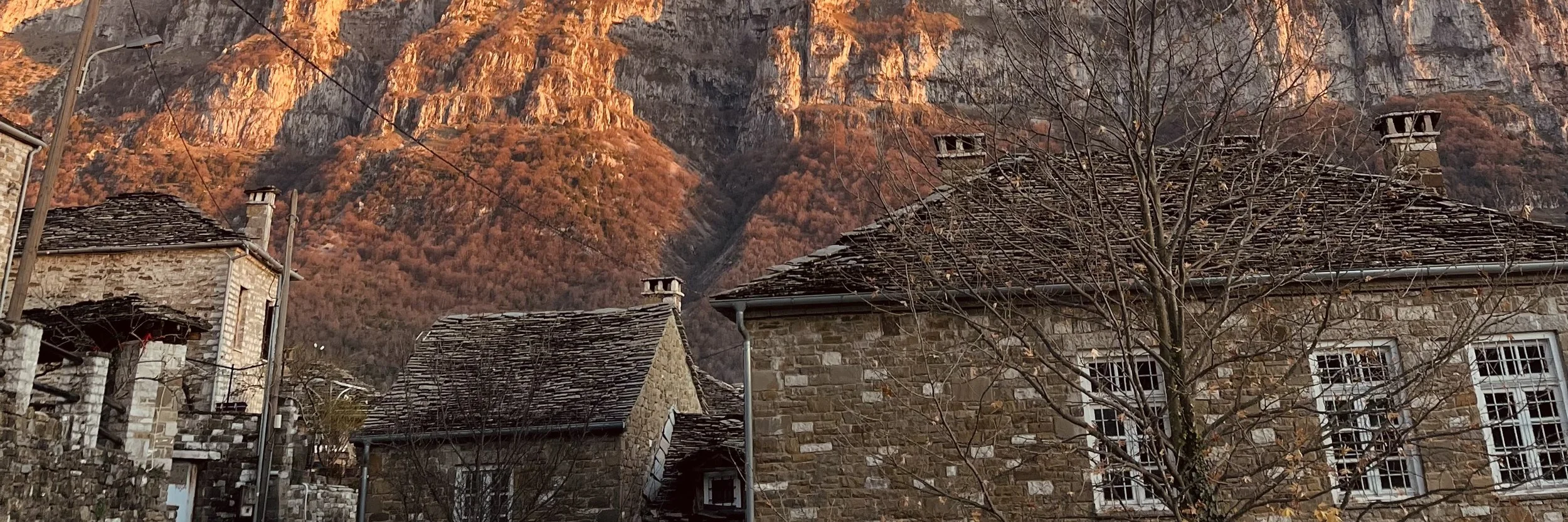
The unique local architecture of Zagori is defined by stone, wood and slate rock. The impressive stone mansions and the undulating, natural forested surroundings create an unparalleled destination that should not be missed.
The stone mansions of Zagori — known as archontika — were built by wealthy Zagorian merchants who travelled across the Ottoman Empire and returned to invest in the most beautiful private buildings the region had ever seen. The result is an architectural tradition of extraordinary refinement: thick stone walls, slate roofs, arched doorways, interior courtyards, and a relationship with the landscape that no modern construction can replicate.
Strict preservation laws require that any renovation or new construction in Zagori uses traditional materials and methods — stone, wood, slate — matching the character of the existing built environment. This is not merely a regulatory constraint. It is the reason Zagori’s properties retain their character, their rarity and their value. The enforced scarcity of authenticity is, paradoxically, one of Zagori’s greatest investment assets.
A beautifully restored Zagori archontiko is not a Greek mountain house. It is a Provençal bastide, a Cotswolds manor, a Tuscan farmhouse — a cultural artifact of the highest order, held in one of Europe’s most protected landscapes.
Vikos Gorge — The Natural Wonder That Defines the Setting
The gorge of Vikos is the second deepest gorge in the world, after the Grand Canyon in the USA — and it defines the dramatic natural setting within which Zagori’s villages and properties exist.
Standing at the rim of Vikos Gorge, with the gorge stretching to the horizon and the stone villages visible across the mountain slopes, buyers understand immediately why Zagori is described as a destination unlike any other in Greece. The scale of the landscape is genuinely extraordinary — and it surrounds every property in our portfolio.
The Emerging Market — Why Now Is the Right Moment
Zagori remains, relative to its quality and UNESCO status, significantly underrecognised as a property market. This is the condition of an emerging luxury destination — and it represents a clear opportunity for buyers who act before international awareness fully catches up with reality.
The drivers of change are already in motion. The UNESCO inscription of 2023 has brought Zagori to the attention of international buyers across Europe, the Middle East and beyond. The growth of luxury eco-tourism, wellness travel and nature-immersed living — trends accelerated significantly since 2020 — has created new buyer categories for whom Zagori’s combination of clean mountain air, pristine nature, digital connectivity and authentic architecture is precisely what they have been looking for.
Zagorochoria has emerged as a top destination for alternative holidays, and the boutique luxury hospitality infrastructure developing in the area — with stone-built 5-star retreats in villages like Vitsa and Kato Pedina — signals the direction the market is moving.
Properties that were unknown to international buyers a decade ago are now attracting serious interest from buyers in London, Paris, Tel Aviv and New York who recognise what is in front of them.
Year-Round Living — A Destination for Every Season
Unlike coastal properties that are fundamentally seasonal, Zagori rewards ownership across all four seasons — and each one offers a profoundly different experience.
Summers are mild and verdant, with long days perfect for hiking, river trekking in the Voidomatis, and the particular pleasure of cool mountain evenings after a warm afternoon. Autumns are spectacular — the beech and oak forests of the Pindus turn gold and amber in a way that few Greek landscapes can match, and the quality of light in October rivals anything the Mediterranean coast offers in July. Winters bring snow to the higher villages, creating an atmosphere of extraordinary stillness and intimacy — fires lit, stone walls glowing, the silence of a mountain landscape in January. And springs, when the wildflowers bloom across the Zagori plateau and the rivers run full with snowmelt, are simply unlike anything else in Greece.
For buyers who want a property they will use in December as well as August — and who want each visit to feel like an entirely different experience — Zagori is one of the very few Greek destinations that genuinely delivers.
Access and Practicalities
Zagori is located approximately 30–60 kilometres from Ioannina, the regional capital of Epirus, which has regular air connections to Athens. Most villages are within a 45-minute drive of Ioannina airport — making weekend access from Athens, or connecting flights from major European cities, entirely practical.
Road upgrades in recent years have significantly improved journey times. The most popular villages — Papingo, Monodendri, Vitsa, Aristi, Kipi — offer a range of access conditions and settings, from the most dramatic cliff-edge positions to more sheltered valley locations. Our team has detailed knowledge of each village’s character and can guide buyers to the location that best suits their vision.
Restoration of traditional properties in Zagori follows specific architectural guidelines and requires coordination with local preservation authorities. We work with experienced local engineers and architects who have extensive knowledge of both the requirements and the area — ensuring that the renovation process is managed with the same care as the property itself.
The Angel collective · Curated Real Estate Greece